

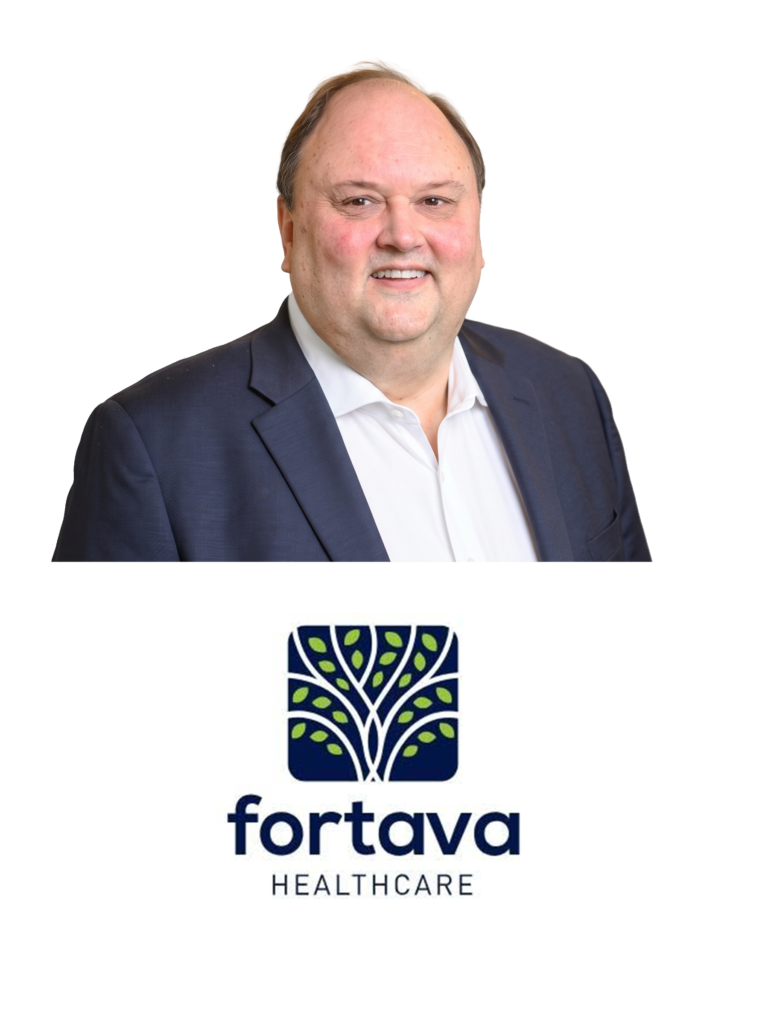
 Activities in care homes have traditionally been viewed as an added extra – something to enhance residents’ days alongside the ‘real’ work of care. But according to Johann van Zyl, co-founder of specialist dementia nursing home provider Fortava Healthcare, that mindset is outdated.
Johann brings a wealth of leadership experience to Fortava Healthcare, having founded Cornerstone Healthcare in 2018 and previously served as CEO of specialist care provider PJ Care. Since launching in June 2025, Fortava has grown from two homes to five.
Making a return appearance on the latest episode of the Care CEO Success Stories podcast, host Adam James of Springup PR talks with Johann about why activity programmes should sit at the very heart of dementia care delivery.
At Fortava, activities are no longer viewed as a standalone department. Instead, they are embedded into the overall care model, with specialist expertise helping to shape programmes that support residents’ wellbeing, cognition, and quality of life.
In this episode, Johann shares insights on how a more therapeutic, data-driven approach is helping Fortava improve outcomes for residents while supporting the rapid growth of the business, including:
- Why activities need to be based on cognitive stimulation therapy rather than occasional entertainment.
- Fortava has introduced a ‘Therapeutic Outcome Lead’ role to strengthen this approach and ensure activities are evidence-based.
- Fortava has developed its own platform, Fortava Living, which tracks resident engagement alongside key wellbeing indicators. Data is collected on activities, sleep, nutrition, weight changes and falls. The information helps teams identify what is having a positive impact on residents.
- Technology should support better decision-making rather than replace human interaction, helping providers build a clearer picture of each resident’s needs and responses.
- One of Johann’s strongest messages is around changing the language used in dementia care. “We make a mistake when we say residents with dementia are challenging. They’re not challenging, we just don’t understand them.”
- Behaviour is often a form of communication. Aggression, distress or withdrawal may be linked to pain, discomfort or unmet needs. Providers should focus on understanding the cause rather than simply managing the symptoms.
- Therapeutic approaches can reduce medication use and the Fortava model is already producing measurable results. One home has achieved a 50% reduction in antipsychotic medication use.
- Technology is enabling staff to monitor residents more effectively while maintaining dignity and independence.
- These improvements demonstrate the impact meaningful engagement can have on residents’ overall wellbeing, improving nutrition, sleep quality and reducing falls.
- Rather than relying solely on an activities team, Fortava encourages all staff to contribute to therapeutic outcomes.
- As dementia diagnoses continue to rise, he believes providers that place meaningful engagement at the centre of care will be best positioned to deliver both exceptional care and sustainable growth.