

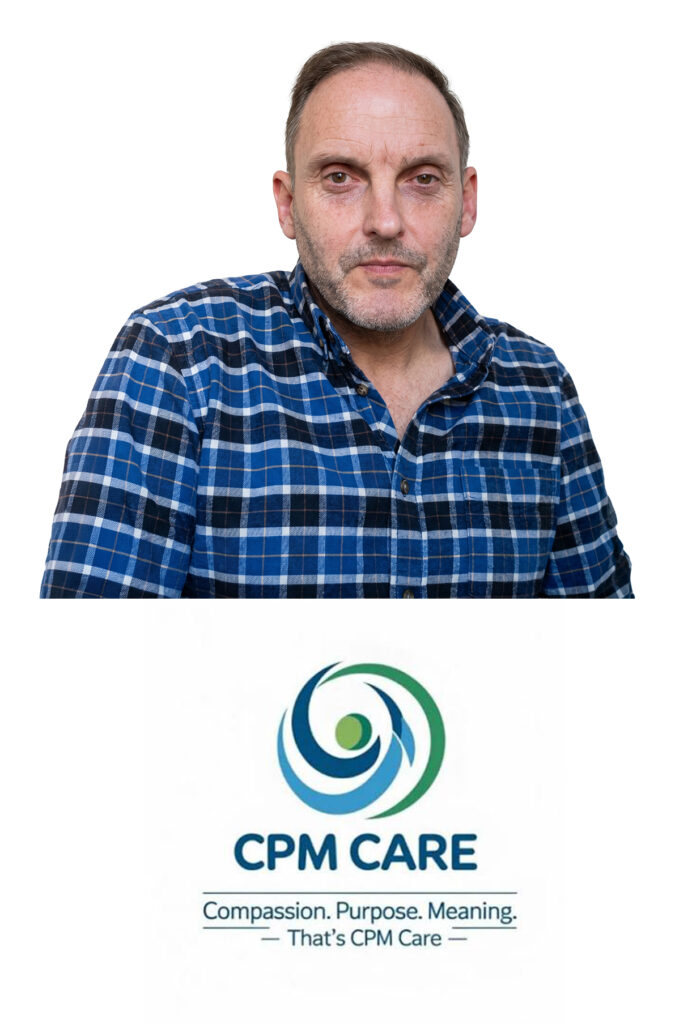
 In this episode of the Care CEO Success Stories podcast, host Adam James of SpringupPR speaks with Peter McGailey, founder and director of CPM Care, a multi-home care group and director of The Care Guys, a consultancy supporting providers with acquisitions, operations, and growth strategy across the care sector.
Peter’s journey into care began in 2003, when he and his wife Claire—then a nurse—took a bold leap from careers in policing and healthcare to purchase their first care home with a 95% loan-to-value deal.
What followed was a baptism of fire, learning every aspect of the sector from compliance and staffing to cash flow and inspections, long before the era of digital systems and shared best practice.
Over time, Peter scaled from a single home to a group of four, acquiring underperforming assets, turning them
around, and building a reputation for high occupancy and strong operational performance.
After years of growth, he navigated the complex and often emotional process of exiting the group—facing failed deals, difficult negotiations, and ultimately completing multiple sales across a structured exit strategy.
Now working as a consultant, Peter shares the hard-earned lessons from buying, operating, scaling, and selling care homes—offering a candid view on risk, finance, compliance, and what it really takes to build a sustainable care business in today’s environment.
In this episode, Peter explains what he learned from buying and selling multiple care homes, the realities of scaling a group, and the key mistakes to avoid, including:
- How he entered the sector with a high-risk first acquisition. “We remortgaged our bungalow, used a credit card, and took a 95% loan — it was a huge leap.”
- Why early success came from learning on the job. “It was a baptism of fire — there was no internet, no playbook, and no one to ask.”
- Turning around struggling homes by looking beneath the surface. “On paper it looked like a compliance issue — in reality, it was lack of investment and leadership.”
- How to grow through opportunistic acquisitions. “Some of the best deals were off-market and required quick, confident decisions.”
- The importance of occupancy as the foundation of financial stability. “We ran at around 99% occupancy — that’s what sustained the business.”
- Why financial modelling must go beyond best-case scenarios. “Stress test everything — interest rates, occupancy drops, rising costs — or your model won’t hold.”
- The reality of shrinking margins in care. “We went from 30–35% Earnings Before Interest, Taxes, Depreciation, and Amortization down to 12–15% — and that’s market pressure, not poor performance.”
- The hidden risks that can destroy value. “A fire compliance issue can cost hundreds of thousands — and you won’t always see it in due diligence.”
- Navigating the emotional and practical challenges of selling. “You’re not just selling a business — you’re selling something you’ve lived and breathed for years.”
- Why selling as a group didn’t work — and breaking it up did. “We had interest, but low offers — selling individually created real momentum.”
- The frustration of failed deals at the final stage. “We had a buyer pull out on the day of completion — after months of work.”
- The importance of choosing the right lender. “Our biggest mistake was working with a bank that didn’t understand care.”
- Why specialist advice is essential in acquisitions. “The devil is in the detail — what looks compliant on paper can cost you massively later.”
- The ethical responsibility behind financial decisions. “If a care home fails, residents suffer — this isn’t just a business risk.”
- What he would do differently today. “I’d only buy future-proofed homes — 30+ beds, energy efficient, and built for modern expectations.”
- Why he would still do it all again. “It’s challenging, but incredibly rewarding — I absolutely loved the journey.”